On a recent site visit, something stood out. The site felt unusually calm.
Large prefabricated timber wall panels arrived by truck, were lifted directly into place, and within hours another section of the building had taken shape. There were no fabrication areas, very little material waiting to be installed, and remarkably few adjustments taking place on site.
Looking again at the project, it was clear that the building wasn’t actually being built there, but assembled.
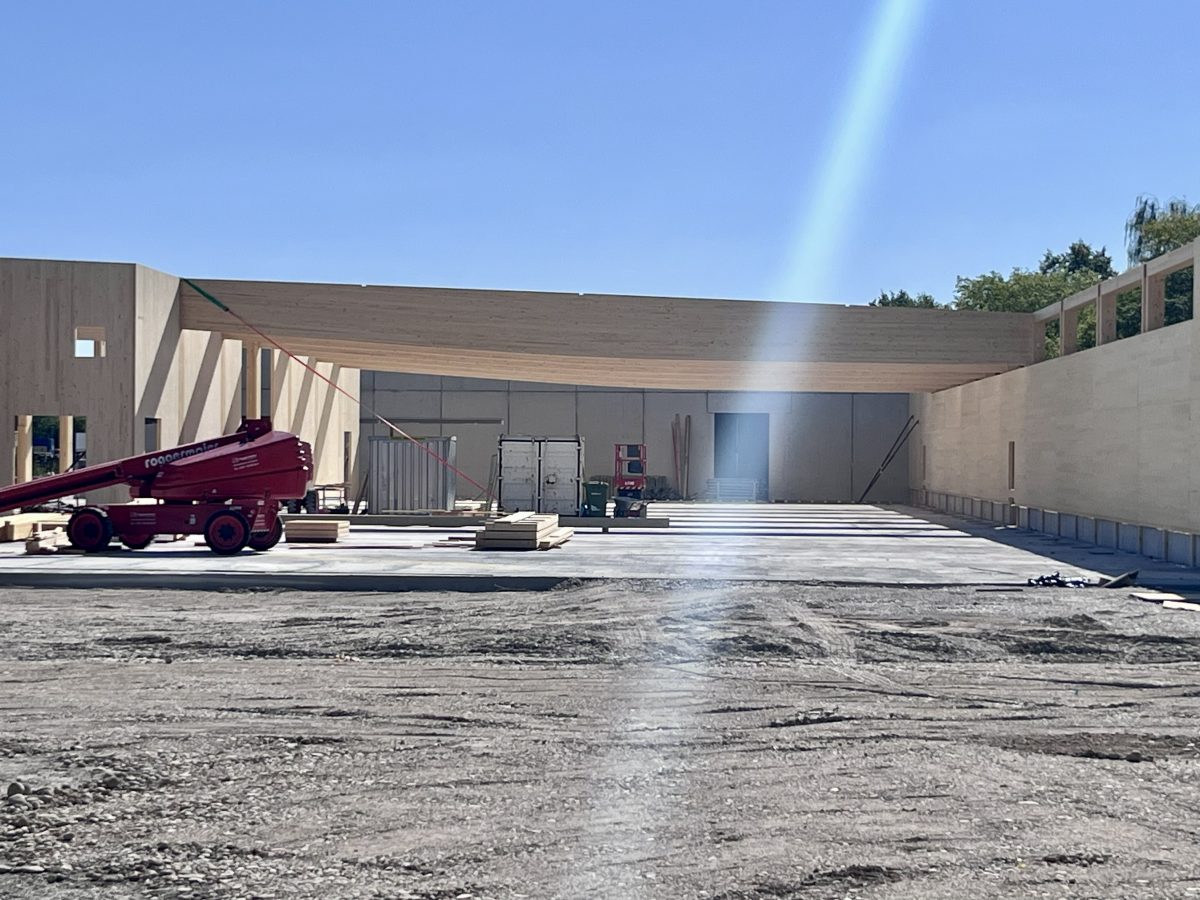
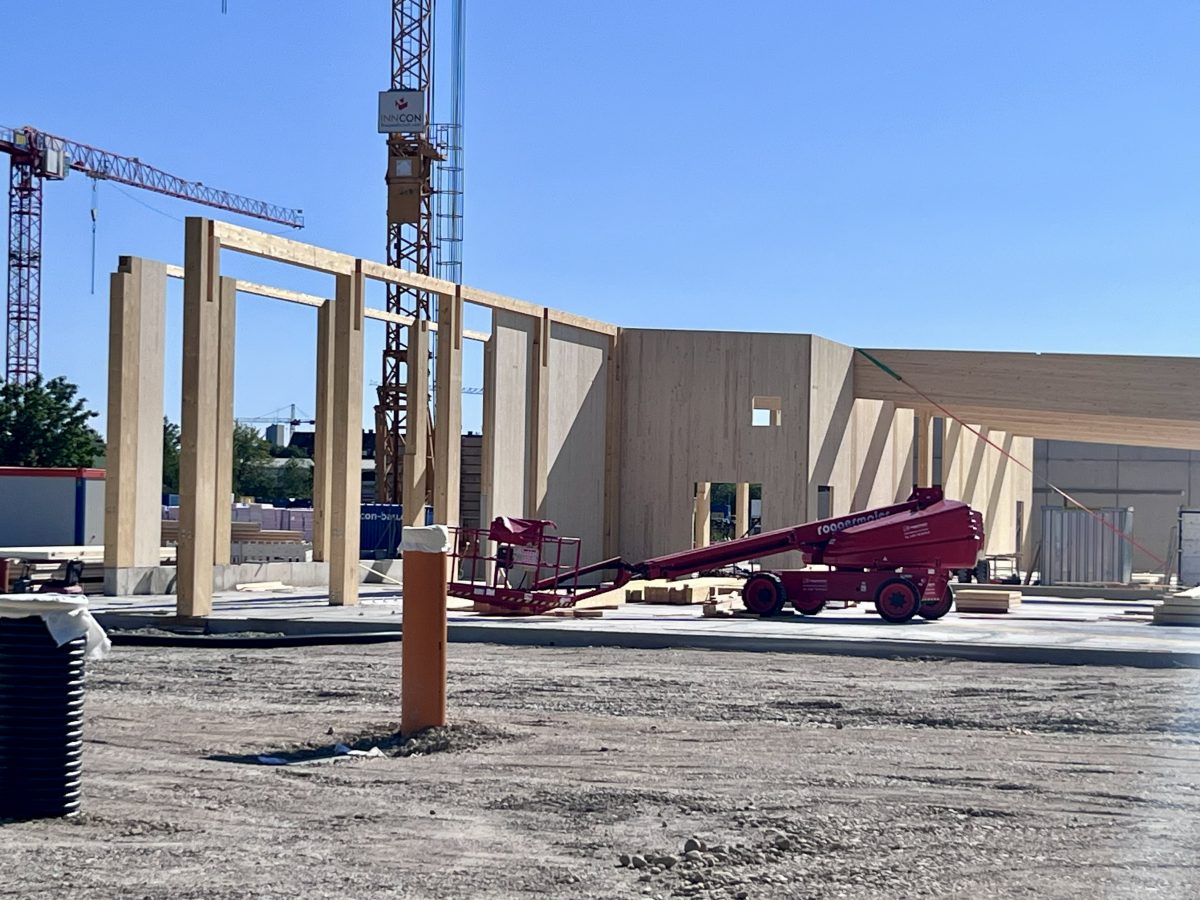
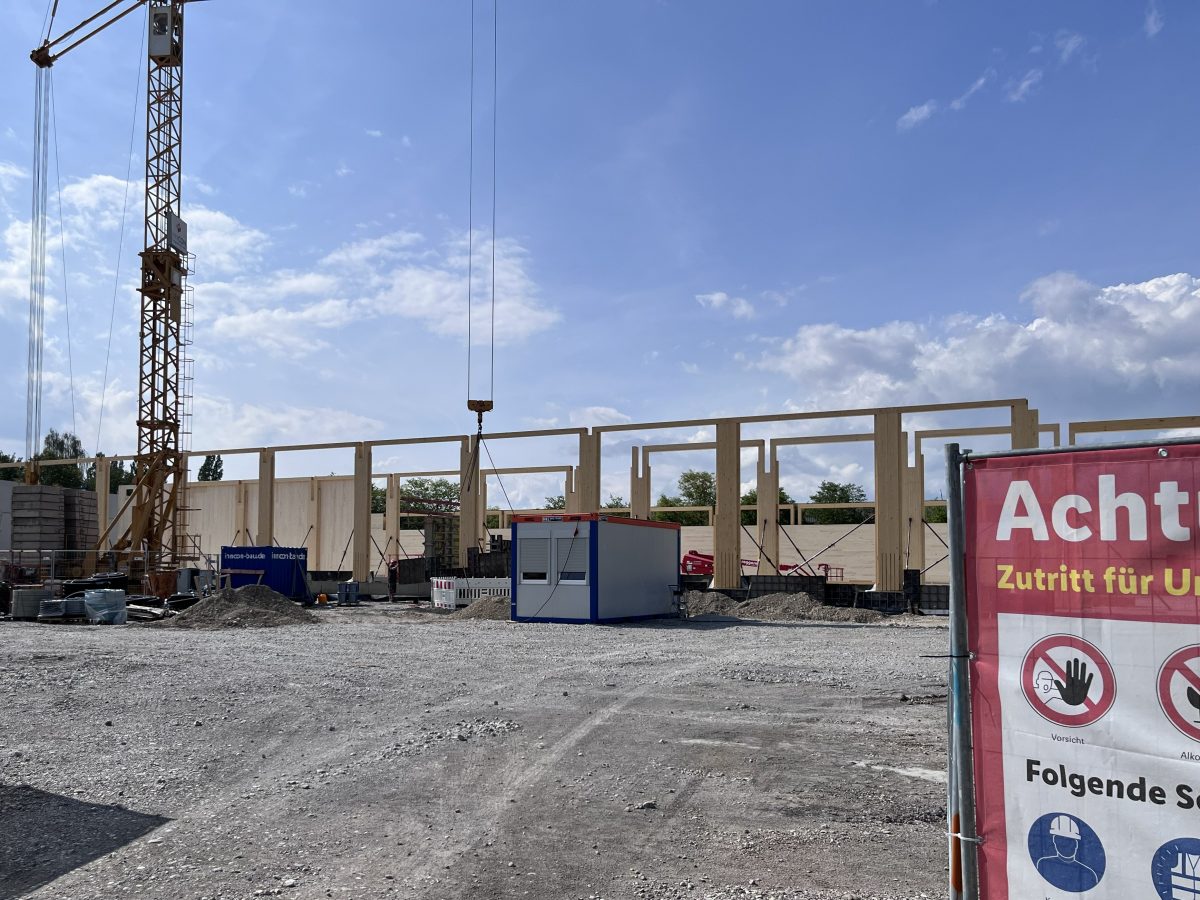
This project replaces an existing retail building. Every week saved during construction reduces the interruption to business and brings the building back into operation sooner. I should know, considering this is a retailer I visit frequently. The industrialized construction approach in this case supports the speed-to-delivery objective, but it’s not the only choice. Precast concrete, modular systems, and other industrialized construction methods are all designed around the same principle. The more work we move into earlier project phases, the less complex the build becomes, and the better quality, manufacturing, and logistics can be controlled.
This project is about how the delivery model—in this case an on-site assembly model—changes the project.
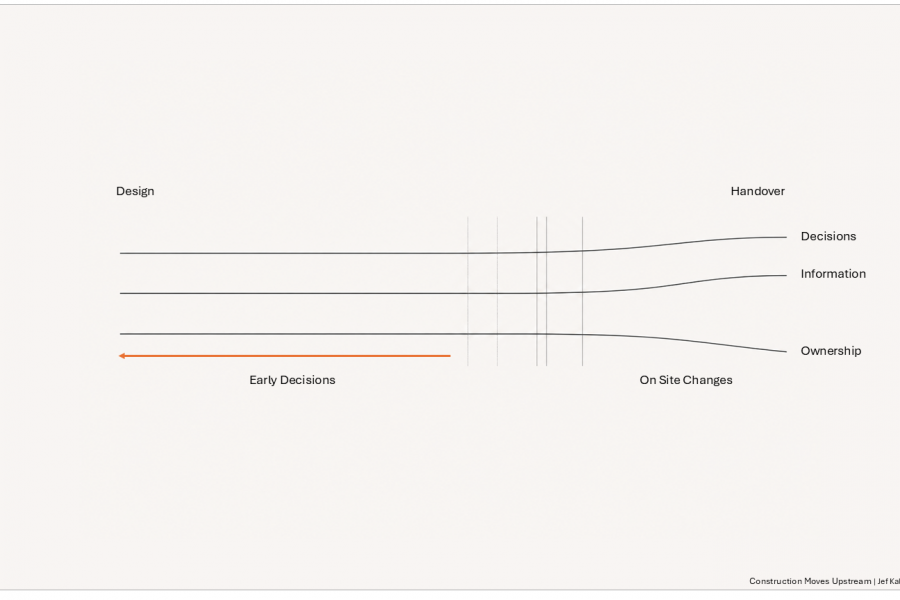
As construction moves upstream, project organization becomes more important.
Design decisions that once could be refined on site now need to be resolved before manufacturing begins. Manufacturing depends on approved information. Logistics depend on stable sequencing. Installation depends on components arriving exactly as expected.
Every activity becomes connected to decisions made weeks or even months earlier, and that fundamentally changes where execution risk lives.
On more traditional projects, experienced site teams often absorb uncertainty. Minor deviations are adjusted in the field and documented afterwards. Decisions are negotiated as work progresses. And projects keep moving forward because people solve problems as they appear.
Industrialized construction leaves far less room for that.
Once components are manufactured, loaded onto a truck, and scheduled for installation, even a seemingly small design change can affect fabrication, transport, installation, and multiple downstream trades. Recovering alignment becomes significantly more expensive than maintaining it from the beginning.
One might believe that the coordination challenge has disappeared, when in reality it has simply moved into earlier phases of the project. And this is why project organization becomes critical.
The objective is no longer just producing information or completing design packages. It maintains a shared current project state as responsibility passes from design to engineering, procurement, manufacturing, logistics, construction, consultants, and owners.
- Every decision needs a clear owner.
- Every revision needs to reach the teams that depend on it.
- Every participant needs confidence that they are acting on the same assumptions.
Without that continuity, projects continue to progress from different versions of reality, which grow into larger and more costly challenges.
When those differences begin to arise on site, manufacturing is already in progress, deliveries have already been scheduled, and installation is expected to continue. This, in effect, means that the opportunity to resolve the issue efficiently has already passed.
This is where digital project delivery creates its value.
Not because it produces better models or because information is stored digitally. But because it provides coordination structures that keep decisions, ownership, and information moving clearly across the project lifecycle.
Standing in front of the site, many people see a building rising quickly, but I see something different.
I see more than a crane lifting another prefabricated structural element into place. I see months of project organization made visible.
The project organization made that lift predictable.
What coordination patterns have you observed on your projects as more work moves upstream?
Jeffrey Albert Kalil writes about digital project delivery, project organization, and the coordination structures that keep AECO projects aligned from planning through execution.
Explore more articles on digital project delivery and project organization.